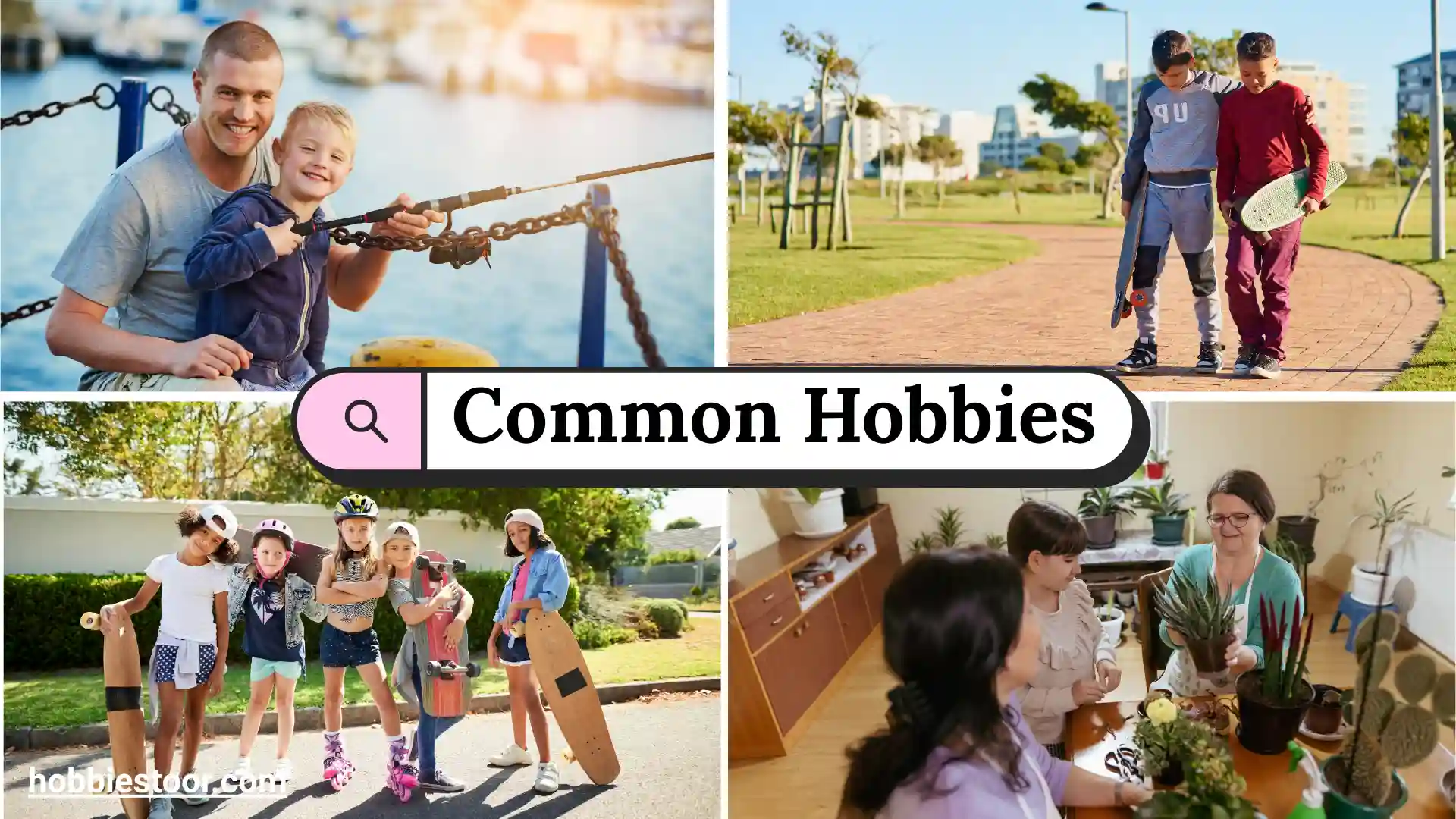
Finding a hobby can make free time more enjoyable and give you something meaningful to look forward to. Some people prefer creative activities such as painting or writing, while others enjoy sports, collecting, cooking, reading, or spending time outdoors. The best hobby often depends on your personality, available time, budget, and interests.
This guide brings together common hobbies for girls, guys, women, men, students, adults, and professionals. It also explores hobbies by age and looks at activities that are popular in different lifestyles and cultures. If you are unsure what to try, the large variety of ideas can help you narrow down your choices.
You do not need to be highly skilled or spend a lot of money to begin. Many hobbies can be started with basic supplies and improved gradually. The goal is to find an activity that fits naturally into your routine and gives you a reason to keep learning, creating, moving, or exploring.
Common Hobbies
Common hobbies are activities people regularly enjoy during their free time. They can be relaxing, creative, social, educational, physical, or a mixture of several of these.
Some widely enjoyed hobbies include:
- Reading books
- Cooking and baking
- Gardening
- Photography
- Drawing and painting
- Walking and hiking
- Listening to music
- Playing musical instruments
- Writing
- Watching movies
- Swimming
- Cycling
- Traveling
- Fishing
- Crafting
- Gaming
- Volunteering
- Collecting items
- Yoga
- Learning languages
A common hobby does not have to be boring or ordinary. Even popular activities can become personal and rewarding when you develop your own interests within them.
Most Common Hobbies
Some hobbies appear frequently across different age groups and lifestyles because they are relatively accessible and easy to fit into everyday life.
Reading, watching films, listening to music, cooking, exercising, gardening, photography, gaming, traveling, and crafting are examples of activities enjoyed by many different types of people.
The popularity of a hobby can also depend on location, culture, age, available facilities, and personal circumstances. Someone living in a city may have different opportunities from someone living in a rural area.you.
What Are Common Hobbies
Common hobbies include both active and quiet pursuits. Some people want their hobbies to help them stay physically active, while others prefer activities that allow them to slow down.
Popular choices include reading, cooking, gardening, exercise, photography, drawing, gaming, music, crafts, collecting, traveling, and outdoor recreation.
There is no requirement for a hobby to produce something useful. A hobby can simply be an enjoyable way to spend personal time.
Common Hobbies and Interests
Hobbies and interests often overlap, but they are not always exactly the same. An interest may be something you enjoy learning about, while a hobby usually involves actively doing something.
For example, someone interested in history might read historical books, visit museums, collect historical objects, or write about historical topics. A person interested in animals might turn that interest into birdwatching, photography, volunteering, or pet care.
This means one interest can lead to several possible hobbies. Exploring related activities is a good way to find something that feels natural.
Common Hobbies List
Here is a broad common hobbies list covering different interests:
- Reading
- Writing
- Journaling
- Drawing
- Painting
- Photography
- Cooking
- Baking
- Gardening
- Hiking
- Walking
- Running
- Cycling
- Swimming
- Fishing
- Camping
- Birdwatching
- Dancing
- Singing
- Playing guitar
- Playing piano
- Knitting
- Crocheting
- Sewing
- Pottery
- Woodworking
- Model building
- Collecting coins
- Collecting stamps
- Gaming
- Puzzles
- Chess
- Volunteering
- Traveling
- Learning languages
- Astronomy
- Calligraphy
- Scrapbooking
- Home decorating
- Fitness
This list can also help you identify related hobbies. For example, an interest in photography could lead to nature photography, travel photography, portrait photography, or photo editing.
100 Hobbies
If you want a much larger selection, these 100 hobbies cover creative, active, social, educational, and relaxing activities:
- Reading
- Writing
- Journaling
- Blogging
- Poetry
- Drawing
- Painting
- Sketching
- Calligraphy
- Photography
- Photo editing
- Filmmaking
- Cooking
- Baking
- Cake decorating
- Gardening
- Indoor gardening
- Birdwatching
- Hiking
- Walking
- Running
- Cycling
- Swimming
- Dancing
- Yoga
- Fitness training
- Tennis
- Basketball
- Soccer
- Badminton
- Fishing
- Camping
- Rock collecting
- Stargazing
- Astronomy
- Playing guitar
- Playing piano
- Singing
- Drumming
- Learning music
- Knitting
- Crocheting
- Sewing
- Embroidery
- Quilting
- Pottery
- Sculpting
- Origami
- Scrapbooking
- Jewelry making
- Candle making
- Soap making
- Woodworking
- Model building
- Model trains
- RC vehicles
- LEGO building
- Coin collecting
- Stamp collecting
- Book collecting
- Antique collecting
- Chess
- Checkers
- Board games
- Card games
- Puzzles
- Crossword puzzles
- Sudoku
- Gaming
- Coding
- Learning languages
- Learning history
- Genealogy
- Volunteering
- Community projects
- Traveling
- Museum visits
- Cooking new cuisines
- Home decorating
- Interior design
- DIY projects
- Thrifting
- Fashion styling
- Makeup artistry
- Hair styling
- Meditation
- Mindfulness
- Swimming outdoors
- Nature walks
- Geocaching
- Canoeing
- Kayaking
- Gardening photography
- Nature journaling
- Collecting postcards
- Collecting shells
- Learning magic tricks
- Stand-up comedy
- Podcasting
- Public speaking
- Creative writing
The best option from this list is not necessarily the most popular one. Look for something you can realistically practice and genuinely enjoy.
5 Types of Hobbies
Hobbies can be grouped into several broad types. Understanding these categories can help you decide what kind of activity suits you.
Creative Hobbies
These involve making or expressing something. Examples include painting, writing, photography, pottery, sewing, music, and crafts.
Physical Hobbies

These involve movement and activity. Examples include cycling, swimming, hiking, running, dancing, and sports.
Intellectual Hobbies
These focus on learning, thinking, or problem-solving. Chess, reading, languages, coding, puzzles, and astronomy can fit this category.
Social Hobbies
These provide opportunities to interact with other people. Team sports, volunteering, board games, dance groups, clubs, and community activities are examples.
Collecting Hobbies
These involve finding, organizing, and learning about particular objects. Coins, stamps, books, postcards, antiques, and model items are common examples.
Many hobbies can belong to more than one category. Photography, for example, can be creative, social, educational, and outdoors-oriented.
Hobbies Name
If you are searching for hobby names, here are some simple options to explore:
- Reading
- Painting
- Drawing
- Photography
- Cooking
- Gardening
- Writing
- Hiking
- Cycling
- Swimming
- Fishing
- Gaming
- Dancing
- Singing
- Knitting
- Sewing
- Pottery
- Chess
- Traveling
- Collecting
- Volunteering
- Music
- Camping
- Birdwatching
- Calligraphy
- Woodworking
- Baking
- Yoga
- Coding
- Puzzles
A hobby name is only the starting point. Before choosing one, think about what you would actually do during a normal week.
A useful list of common hobbies can be divided according to how people usually spend their time.
At-home hobbies:
- Reading
- Cooking
- Baking
- Gaming
- Painting
- Writing
- Puzzles
- Crafts
- Gardening
- Playing music
Outdoor hobbies:
- Hiking
- Cycling
- Fishing
- Camping
- Walking
- Birdwatching
- Gardening
- Photography
Social hobbies:
- Team sports
- Dancing
- Volunteering
- Board games
- Book clubs
- Community activities
Learning hobbies:
- Languages
- Coding
- History
- Astronomy
- Music
- Genealogy
This approach makes the selection process easier because you can begin with the setting you prefer.
Common Hobbies for Girls
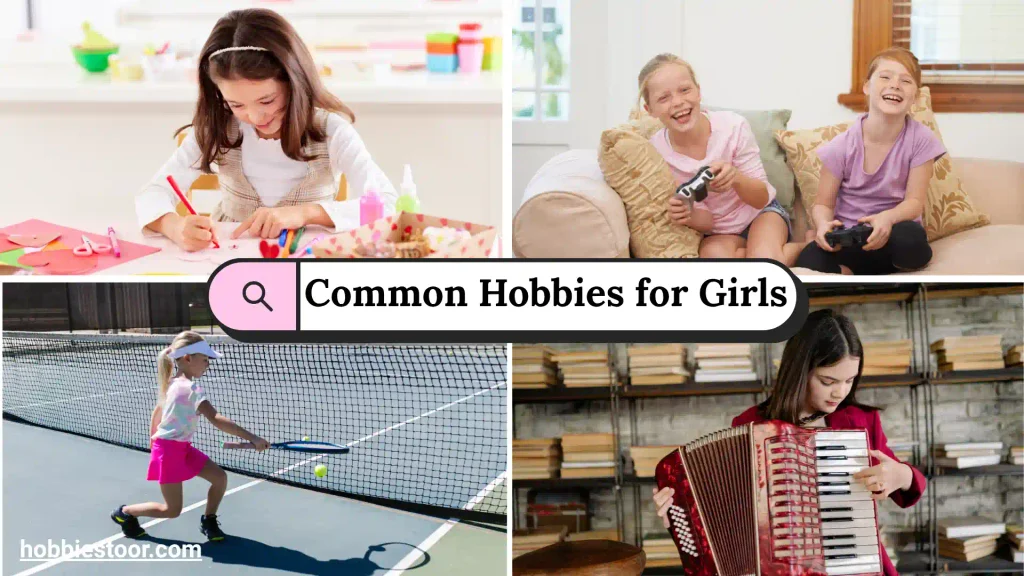
Girls can enjoy any hobby that matches their interests, and there is no fixed list of activities that belongs only to girls. Still, some activities may be especially popular among girls depending on age, social environment, and personal interests.
Ideas include:
- Drawing and painting
- Reading
- Dancing
- Singing
- Photography
- Baking
- Cooking
- Journaling
- Crafts
- Jewelry making
- Sewing
- Writing
- Gardening
- Swimming
- Volleyball
- Cycling
- Gaming
- Learning languages
The most useful approach is to let the individual choose based on enjoyment rather than stereotypes.
Hobbies List For Girl
A simple hobbies list for girls can include creative, active, educational, and social activities.
- Art and sketching
- Reading novels
- Creative writing
- Dancing
- Singing
- Photography
- Baking
- Cooking
- Crafts
- Scrapbooking
- Jewelry making
- Gardening
- Swimming
- Cycling
- Hiking
- Volleyball
- Gaming
- Learning an instrument
- Learning a language
- Volunteering
For younger girls, hobbies can also be a way to explore different interests before deciding which activities they want to continue long term.
Top 10 Hobbies for Females
There is no universal top 10 because preferences differ widely. However, these are ten broad hobby ideas that can suit many women depending on their interests:
- Reading
- Cooking and baking
- Gardening
- Photography
- Painting
- Fitness
- Traveling
- Writing
- Crafts
- Learning music
The right choice depends on what you want from your free time. Someone looking for relaxation may prefer reading or gardening, while someone wanting more activity may choose fitness, hiking, or dancing.
Common Hobbies for Women
Common hobbies for women can include creative, social, active, educational, and home-based activities.
Some possibilities are:
- Reading
- Cooking
- Baking
- Gardening
- Photography
- Writing
- Painting
- Sewing
- Knitting
- Fitness
- Yoga
- Dancing
- Traveling
- Volunteering
- Crafts
- Music
- Hiking
- Gardening
- Collecting
- Learning languages
These activities are not limited to women. They are simply examples of hobbies that many women may choose based on individual interests.
Common Hobbies for Guys
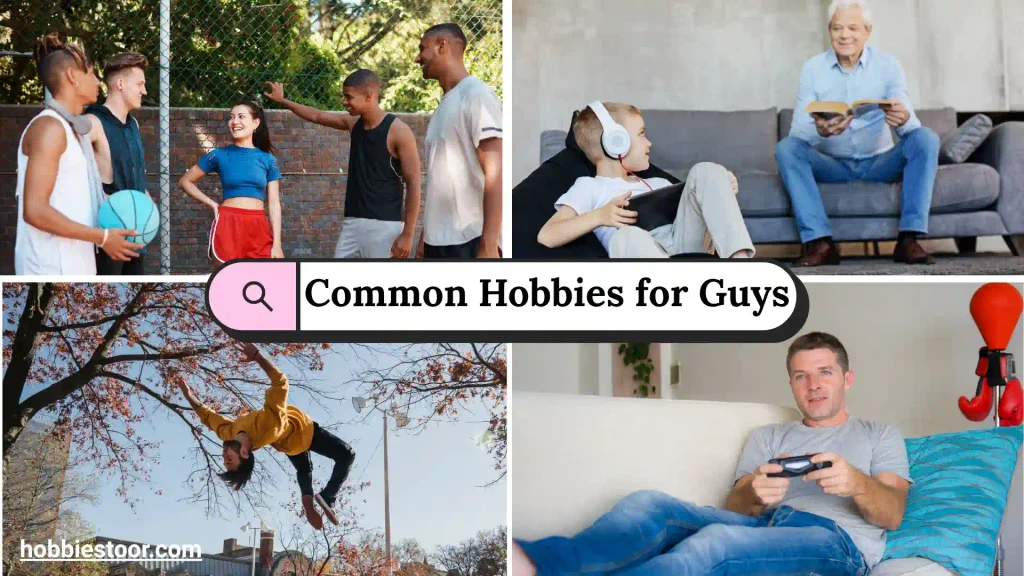
Guys have many possible hobbies across sports, technology, outdoor recreation, creative activities, collecting, and entertainment.
Examples include:
- Gaming
- Fitness
- Cycling
- Hiking
- Fishing
- Camping
- Photography
- Cooking
- Woodworking
- Model building
- RC vehicles
- Car-related hobbies
- Sports
- Reading
- Playing music
- Coding
- Chess
- Collecting
- Gardening
- DIY projects
A hobby does not need to fit a traditional masculine stereotype. The best activity is one that genuinely interests the person doing it.
Common Hobbies for Men
Common hobbies for men include a broad mixture of physical, creative, technical, outdoor, and relaxing activities.
Popular possibilities include:
- Fitness
- Running
- Cycling
- Hiking
- Fishing
- Camping
- Cooking
- Gardening
- Photography
- Gaming
- Woodworking
- DIY projects
- Playing music
- Reading
- Chess
- Collecting
- Model building
- Traveling
- Sports
- Coding
Many of these activities can also be social. Joining a club, sports group, workshop, or online community can turn an individual hobby into a way to meet people with similar interests.
Most Common Hobbies for Men
Men may choose hobbies based on relaxation, physical activity, creativity, technical interests, or social interaction.
Fitness, sports, gaming, outdoor recreation, cooking, woodworking, photography, music, reading, collecting, and DIY activities are examples of areas worth exploring.
The amount of time available can influence the choice. A busy person may prefer reading, gaming, or cooking at home, while someone with more free time might enjoy hiking, camping, woodworking, or a longer-term collecting hobby.
Common Hobbies for Students
Students often need hobbies that can fit around classes, assignments, exams, and social activities. Flexible hobbies are particularly practical because they can be paused and resumed easily.
Good options include:
- Reading
- Drawing
- Writing
- Photography
- Gaming
- Sports
- Running
- Cycling
- Cooking
- Baking
- Music
- Language learning
- Coding
- Chess
- Puzzles
- Gardening
- Volunteering
- Crafts
Students should consider both time and cost. A hobby that requires a large investment of money or several hours every day may be difficult to maintain alongside school or college.
Common Hobbies for Adults
Adults often look for hobbies that fit around work and other responsibilities. Some prefer hobbies that help them relax, while others want activities that encourage creativity, learning, social interaction, or physical movement.
Useful options include:
- Reading
- Cooking
- Gardening
- Photography
- Fitness
- Hiking
- Cycling
- Writing
- Painting
- Music
- Traveling
- Volunteering
- Crafts
- Gaming
- Chess
- Learning languages
- DIY projects
- Woodworking
- Fishing
- Collecting
A realistic hobby is easier to maintain. Start with a small amount of time each week and increase it only if the activity continues to feel enjoyable.
Common Hobbies People Have
People choose hobbies for many different reasons. Some want entertainment, while others want creativity, exercise, learning, social contact, or a change from their daily routine.
Common examples include:
- Reading
- Watching movies
- Music
- Cooking
- Exercise
- Gardening
- Gaming
- Photography
- Crafts
- Sports
- Traveling
- Writing
- Collecting
- Fishing
- Hiking
- Volunteering
There is also nothing wrong with having several hobbies. You might have one quiet hobby for evenings, one physical hobby for weekends, and one social hobby for meeting people.
Most Common Hobbies by Age
Hobby preferences often change as people move through different stages of life, although there is plenty of overlap.
Children: Drawing, building, games, sports, crafts, music, and collecting can be appealing.
Teenagers: Sports, gaming, music, photography, social activities, writing, art, and technology-related hobbies are possible choices.
Young adults: Fitness, travel, cooking, gaming, reading, photography, music, creative work, and social activities may fit different lifestyles.
Middle-aged adults: Gardening, cooking, fitness, reading, DIY, photography, travel, crafts, and outdoor activities can be practical choices.
Older adults: Reading, gardening, walking, crafts, music, photography, puzzles, volunteering, and collecting can provide enjoyable ways to spend free time.
Age should not be treated as a strict rule. A teenager can love gardening, and an older adult can enjoy gaming or learning a new technology.
Common Hobbies in Japan
Common hobbies in Japan reflect a wide variety of traditional, modern, indoor, and outdoor interests. Activities can include reading, gaming, photography, cooking, gardening, travel, music, crafts, collecting, and outdoor recreation.
Japanese culture also has long-standing traditions connected with activities such as calligraphy, tea-related practices, flower arranging, and various forms of traditional crafts. Modern interests such as anime-related collecting, gaming, photography, and technology also form part of contemporary leisure culture.
Hobby choices can differ significantly by age, location, social group, and individual preference, so it is better to view these as examples rather than assuming they apply to everyone in Japan.
Common Hobbies for Doctors
Doctors often have demanding professional schedules, so hobbies that can be adapted to limited free time may be practical. Reading, exercise, cooking, music, photography, gardening, traveling, and outdoor activities are possible choices.
Some hobbies can be done in short sessions. Reading a few pages, practicing an instrument, taking photographs, or tending a small garden can fit into shorter periods of free time.
Other doctors may prefer hobbies that create a clear break from work, such as hiking, sports, painting, gaming, or travel. The key factor is finding an activity that fits the person’s schedule and genuinely feels enjoyable.
What Are the 10 Best Hobbies
There is no universally best hobby because the right choice depends on the person. Instead of ranking hobbies, consider ten versatile options that cover different interests:
- Reading for quiet learning and entertainment
- Cooking for practical creativity
- Gardening for an outdoor activity
- Photography for visual creativity
- Hiking for outdoor exploration
- Writing for self-expression
- Music for creative practice
- Fitness for physical activity
- Painting for artistic expression
- Volunteering for community involvement
Think about your main goal before choosing. If you want to learn, choose a skill-based hobby. If you want to relax, consider a quieter activity. If you want social interaction, look for clubs or group activities.
Hobbies for Different Lifestyles
A hobby becomes easier to maintain when it matches your daily routine.
If You Have Little Free Time
Try reading, journaling, puzzles, drawing, cooking simple recipes, or learning a musical skill in short sessions.
If You Prefer Outdoor Activities
Consider hiking, cycling, gardening, fishing, camping, photography, birdwatching, or walking.
If You Prefer Staying at Home
Reading, gaming, painting, cooking, baking, crafts, writing, music, and model building can be done indoors.
If You Want a Social Hobby
Look into team sports, volunteering, book clubs, dance classes, board-game groups, or community activities.
If You Want a Skill-Based Hobby
Cooking, coding, photography, woodworking, languages, music, sewing, and pottery can provide room for gradual improvement.
How to Choose a Hobby
Choosing becomes easier when you focus on your own circumstances rather than what happens to be popular.
Ask yourself:
- Do I want something relaxing or active?
- Do I prefer doing things alone or with people?
- How much time can I realistically spend each week?
- What is my starting budget?
- Do I have enough space for the equipment?
- Do I want to create something?
- Do I want to learn a new skill?
- Can I continue the activity for several months?
You can also test a hobby before making a large investment. Borrow equipment, use beginner supplies, attend a free class, or try a simple version at home. If you enjoy the process, you can gradually build your skills and equipment.
FAQ
What Is the Most Common Hobby?
There is no single hobby that is most common for every population. Reading, music, cooking, exercise, watching entertainment, gardening, gaming, and other leisure activities are widely enjoyed, but popularity varies by age, location, and lifestyle.
What Are Some Good Hobbies for Beginners?
Good beginner hobbies include reading, walking, drawing, cooking, gardening, photography, journaling, puzzles, and basic crafts. These can generally be started without advanced skills.
What Are the 5 Main Types of Hobbies?
Five useful categories are creative, physical, intellectual, social, and collecting hobbies. Many activities fit into more than one category.
How Many Hobbies Should a Person Have?
There is no fixed number. Some people enjoy one hobby deeply, while others prefer several activities. A good balance is one that fits comfortably into your available time without becoming a burden.
How Can I Find a Hobby I Actually Enjoy?
Start with activities connected to things you already like. Try a few inexpensive beginner versions, notice which ones hold your attention, and choose the activity you naturally want to return to.
Conclusion
Common hobbies cover a huge range of interests, from quiet activities such as reading and puzzles to active choices such as hiking, cycling, and sports. Creative hobbies, collecting, music, cooking, gardening, gaming, and learning also give people many ways to spend their free time.
Age, gender, profession, culture, budget, and schedule can influence which hobbies feel practical, but none of these factors should limit your choices. A hobby that works for one person may not suit another, and that is completely normal.
The best way to find your hobby is to experiment. Start small, choose something that fits your lifestyle, and give yourself enough time to discover whether you enjoy it. The right hobby should feel like something you want to make time for, not another obligation.