
Finding a hobby does not have to be complicated. A good hobby can give you something enjoyable to do in your free time, help you learn a skill, encourage creativity, or simply provide a break from your usual routine. The best choice depends on your personality, interests, available time, and budget.
People often search for hobbies based on their age, gender, education, career goals, or lifestyle. Students may want affordable activities, while adults may look for relaxing or creative ways to spend their evenings. Someone preparing a CV may also want to know which hobbies and interests are appropriate to mention.
This guide brings together common hobbies and interests for different groups, along with broad hobby lists and useful ideas for resumes and CVs. Use the sections below to explore options and choose activities that genuinely match your interests rather than choosing a hobby simply because it sounds impressive.
What Are Common Hobbies and Interests
Common hobbies and interests are activities people regularly enjoy during their free time. They can include creative, physical, educational, social, technical, outdoor, or relaxing activities.
Some hobbies require special equipment, while others can be started with things you already have at home. For example, reading may require little more than a book, while photography can involve a camera or smartphone and additional accessories.
Popular examples include:
- Reading books
- Cooking and baking
- Photography
- Drawing and painting
- Gardening
- Hiking
- Cycling
- Swimming
- Writing
- Playing musical instruments
- Traveling
- Fishing
- Gaming
- Watching movies
- Crafting
- Learning languages
- Volunteering
- Fitness and exercise
- Collecting items
- DIY projects
A hobby can be casual or highly structured. Some people spend a few minutes on their hobby each day, while others dedicate several hours every weekend.
List of Common Hobbies and Interests
A broad list makes it easier to compare different types of activities before choosing one. You do not need to limit yourself to one category, and having several hobbies can keep your free time varied.
Creative Hobbies
- Drawing
- Painting
- Photography
- Calligraphy
- Writing
- Singing
- Playing an instrument
- Jewelry making
- Scrapbooking
- Sewing
- Knitting
- Crafting
- Pottery
- Digital art
Active Hobbies
- Walking
- Running
- Cycling
- Swimming
- Hiking
- Dancing
- Yoga
- Tennis
- Badminton
- Football
- Basketball
- Martial arts
Relaxing Hobbies
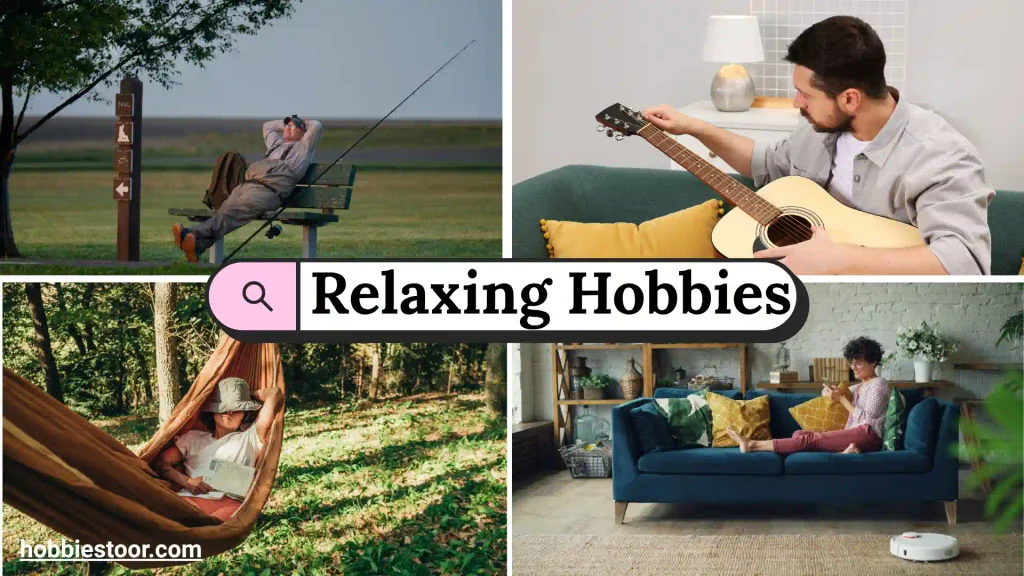
- Reading
- Gardening
- Journaling
- Puzzles
- Meditation
- Birdwatching
- Listening to music
- Watching films
- Cooking
- Baking
Learning-Based Hobbies
- Learning languages
- Coding
- Astronomy
- History research
- Learning an instrument
- Chess
- Public speaking
- Online courses
- Creative writing
- DIY projects
Hobbies Common Hobbies and Interests
Some hobbies become common because they are accessible, flexible, and easy to adapt to different lifestyles. Reading, cooking, walking, music, photography, gardening, gaming, and fitness are examples that can appeal to people with very different personalities.
The advantage of a familiar hobby is that it is often easy to find beginner resources, communities, equipment, or people who share the same interest. However, popularity should not be the main reason for choosing one.
Think about what you naturally enjoy. If you like working with your hands, crafts or DIY projects may be more satisfying than a hobby that mainly involves sitting and reading. If you enjoy social interaction, team sports, clubs, or group classes may be a better match.
Common Hobbies and Interests for Adults
Adults often have to balance hobbies with work, family responsibilities, and other commitments. Flexible activities that can be enjoyed in short sessions are therefore practical choices.
Some popular options include:
- Reading
- Cooking
- Gardening
- Photography
- Fitness
- Hiking
- Cycling
- Traveling
- Painting
- Writing
- Playing music
- Home improvement
- Gaming
- Fishing
- Crafting
- Volunteering
If your schedule is busy, choose a hobby that does not require a long commute or complicated preparation. Reading, cooking, journaling, drawing, home workouts, and indoor gardening can often fit into smaller blocks of free time.
Adults who want a more social experience can consider joining a sports group, book club, photography group, community class, or volunteer organization.
Common Hobbies and Interests for Students

Students usually need hobbies that fit around classes, studying, assignments, and exams. Affordable and flexible activities are especially useful.
Good choices include:
- Reading
- Drawing
- Writing
- Photography
- Playing sports
- Gaming
- Coding
- Learning languages
- Playing music
- Cooking
- Chess
- Running
- Cycling
- Volunteering
- Debate
- Public speaking
- Crafting
A student does not need an expensive hobby. Walking, writing, reading, drawing, bodyweight exercise, and learning from free educational materials can all be starting points.
Hobbies can also provide variety outside academic work. For example, a student who spends most of the day studying at a desk may prefer a physical activity, while someone with a busy social schedule may enjoy a quiet creative hobby.
Hobbies List for Students
A student hobby list can be divided according to the type of experience you want.
Hobbies for Learning
- Coding
- Reading
- Learning a language
- Chess
- Astronomy
- Creative writing
- History research
- Photography
Hobbies for Creativity
- Sketching
- Painting
- Video editing
- Graphic design
- Music
- Singing
- Crafts
- Journaling
Hobbies for Staying Active
- Running
- Cycling
- Swimming
- Football
- Basketball
- Badminton
- Hiking
- Dancing
Hobbies for Socializing
- Team sports
- Debate clubs
- Volunteering
- Drama
- Book clubs
- Community events
- Student organizations
When choosing a student hobby, consider your budget and schedule first. A hobby should be enjoyable rather than another source of pressure.
100 Hobbies
Having a large list can help when you are unsure what to try. Here are 100 hobby ideas covering different interests and lifestyles:
- Reading
- Writing
- Journaling
- Blogging
- Poetry
- Drawing
- Painting
- Sketching
- Photography
- Videography
- Filmmaking
- Graphic design
- Digital art
- Calligraphy
- Scrapbooking
- Knitting
- Crocheting
- Sewing
- Embroidery
- Pottery
- Jewelry making
- Woodworking
- DIY projects
- Model building
- Origami
- Cooking
- Baking
- Cake decorating
- Gardening
- Indoor gardening
- Birdwatching
- Hiking
- Camping
- Fishing
- Cycling
- Running
- Swimming
- Dancing
- Yoga
- Tennis
- Badminton
- Football
- Basketball
- Volleyball
- Table tennis
- Golf
- Skating
- Martial arts
- Chess
- Checkers
- Board games
- Card games
- Puzzles
- Gaming
- Collecting coins
- Collecting stamps
- Collecting books
- Collecting postcards
- Learning languages
- Astronomy
- Stargazing
- Coding
- Electronics
- Robotics
- 3D printing
- Podcasting
- Singing
- Guitar
- Piano
- Drums
- Acting
- Theater
- Volunteering
- Traveling
- Exploring local places
- Cooking new cuisines
- Home decorating
- Home improvement
- Interior design
- Fitness
- Weight training
- Meditation
- Nature walks
- Geocaching
- Sewing crafts
- Leatherworking
- Candle making
- Soap making
- Beekeeping
- Aquarium keeping
- Pet training
- Car restoration
- RC hobbies
- Calligraphy practice
- Creative journaling
- Genealogy
- Community gardening
- Thrift shopping
- Learning magic tricks
- Nature photography
The list is intentionally broad. Try to identify two or three ideas that match your natural interests instead of feeling that you need to pursue many hobbies at once.
Hobbies List For Girl
Girls can enjoy any hobby that matches their personality and interests. There is no fixed set of hobbies based on gender, so the most useful approach is to look at different categories.
Creative options include drawing, painting, photography, writing, crafting, sewing, baking, jewelry making, music, and digital design.
Active options include:
- Dancing
- Swimming
- Cycling
- Running
- Hiking
- Tennis
- Badminton
- Yoga
- Volleyball
- Fitness
For quieter activities, reading, journaling, puzzles, gardening, learning languages, collecting items, and creative writing can be enjoyable choices.
The best hobby is one that feels personally interesting. Someone who enjoys technology may prefer coding or photography, while someone who enjoys working with their hands may prefer crafts, pottery, or DIY projects.
Hobbies List For Boy
Boys can explore the same wide range of hobbies, from creative activities to sports, technology, collecting, and outdoor interests.
Some options include:
- Football
- Basketball
- Cycling
- Running
- Hiking
- Swimming
- Fishing
- Camping
- Photography
- Drawing
- Writing
- Gaming
- Coding
- Robotics
- Model building
- RC hobbies
- Chess
- Playing guitar
- Cooking
- Woodworking
- Electronics
- Car-related projects
- Gardening
- Collecting
- Fitness
A hobby can also help someone discover a new skill. For example, building models can encourage patience and attention to detail, while cooking can develop practical everyday skills.
Top 10 Hobbies for Females
A useful top-10 list should focus on variety rather than suggesting that certain hobbies belong exclusively to women. The following activities are popular choices for people looking for creative, active, relaxing, or social interests:
- Reading
- Cooking and baking
- Photography
- Gardening
- Painting
- Dancing
- Fitness
- Traveling
- Writing
- Crafting
Each option offers a different experience. Someone looking for a peaceful activity might enjoy gardening or reading, while someone wanting movement and social interaction may prefer dancing or fitness.
There is also no reason to stay within this list. If your interests involve technology, sports, music, collecting, or outdoor activities, those can be equally suitable.
Common hobbies and interests for guys can range from sports and fitness to technology, creative activities, outdoor adventures, and collecting.
Some examples include:
- Fitness
- Football
- Basketball
- Cycling
- Hiking
- Fishing
- Camping
- Photography
- Gaming
- Coding
- Electronics
- Woodworking
- Cooking
- Car projects
- Model building
- RC hobbies
- Chess
- Guitar
- Gardening
- Reading
Personal interest matters more than gender when choosing a hobby. A hobby should fit the individual’s personality, available time, budget, and goals.
Common Hobbies and Interests for Resume
Hobbies can be included on a resume when they add useful context about your skills, interests, or activities outside work. They are usually most valuable when they are relevant to the position or show a meaningful quality.
For example, writing can demonstrate an interest in communication, while team sports may show experience working with others. Photography could be relevant to a creative position, and coding projects may be useful for technology-related roles.
When adding hobbies to a resume:
- Choose genuine interests rather than impressive-sounding activities.
- Keep the list short.
- Focus on hobbies that add relevant context.
- Mention specific activities when they demonstrate useful skills.
- Avoid listing hobbies simply to fill empty space.
- Consider the culture and requirements of the role.
For many applications, skills, education, qualifications, and work experience deserve more space than hobbies. Include hobbies when they strengthen the overall presentation.
List of Hobbies and Interests for CV
A CV hobby section can include activities that give an employer a better sense of your interests and transferable abilities.
Examples include:
- Volunteering
- Team sports
- Creative writing
- Photography
- Public speaking
- Playing music
- Coding
- Blogging
- Reading
- Languages
- Chess
- Gardening
- Community activities
- Travel
- Art
- Running
- Cooking
- Mentoring
- Organizing events
- Crafting
Try to provide context instead of creating a long list. For example, rather than simply writing “photography,” you might mention a specific type of photography you regularly practice. This gives the activity more meaning without taking up much space.
Avoid claiming skills you do not actually have. A CV should accurately represent your real experience and interests.
Common Hobbies and Interests List
If you want a quick reference, the following categories cover many of the most common hobby choices:
Creative: drawing, painting, writing, photography, crafts, music, pottery, sewing, and design.
Physical: running, cycling, swimming, hiking, dancing, fitness, tennis, football, and badminton.
Educational: reading, languages, coding, astronomy, history, chess, and online learning.
Outdoor: gardening, camping, fishing, birdwatching, hiking, nature photography, and exploring local areas.
Social: volunteering, team sports, clubs, community events, theater, and group classes.
Relaxing: puzzles, journaling, reading, gardening, cooking, meditation, music, and movies.
This type of list is useful when you want to compare hobbies quickly. Once you find a category that interests you, you can explore specific activities within it.
Hobbies List for Students
Students have many options that can fit different schedules, budgets, and interests. A practical list includes:
- Reading
- Writing
- Drawing
- Photography
- Coding
- Chess
- Learning languages
- Playing an instrument
- Singing
- Sports
- Running
- Cycling
- Cooking
- Baking
- Gaming
- Volunteering
- Debate
- Drama
- Gardening
- Crafts
Students can also choose hobbies that complement their academic interests. Someone interested in science may enjoy astronomy or electronics, while someone interested in literature may enjoy writing or reading.
The key is to choose an activity that can realistically fit alongside school or college responsibilities.
Common Hobbies and Interests for Adults

Adults often want hobbies that provide either a change from work or a meaningful way to develop personal interests. The right choice may be something relaxing, social, active, creative, or skill-based.
For a busy schedule, consider reading, cooking, photography, gardening, walking, journaling, or short creative projects. If you have more free time, hiking, woodworking, volunteering, travel, sports, or music may offer deeper involvement.
A useful way to choose is to ask yourself what you want from the activity:
- Do you want to relax?
- Do you want to meet people?
- Do you want to learn something?
- Do you want more physical activity?
- Do you want to create something?
- Do you want a hobby that can be done at home?
- Do you want an activity that fits a small budget?
Answering these questions can quickly narrow a long hobby list into a few realistic choices.
Common Hobbies and Interests for Guys
Guys may have interests across every major hobby category, including sports, creative work, technology, outdoor activities, music, cooking, and collecting.
Some people prefer hands-on activities such as woodworking, electronics, model building, car projects, gardening, or cooking. Others may prefer reading, gaming, music, photography, writing, or fitness.
There is no need to select a hobby based on stereotypes. If an activity is enjoyable and fits your lifestyle, it can be a worthwhile hobby regardless of how commonly it is associated with a particular group
A common hobby becomes valuable when it works for your actual lifestyle. The most popular option is not automatically the right option for you.
Before starting something new, think about:
- Time: Can you practice it regularly?
- Budget: Can you afford the basic equipment or materials?
- Space: Can you comfortably do it where you live?
- Interest: Would you still enjoy it after the novelty wears off?
- Social preference: Do you want to do it alone or with others?
- Learning curve: Are you comfortable being a beginner?
- Goals: Do you want relaxation, exercise, creativity, learning, or social connection?
You can also test a hobby before making a large investment. Start with basic equipment or a beginner-level activity, see how you feel about it, and then decide whether you want to continue.
FAQ
What Are the Most Common Hobbies and Interests?
Reading, cooking, gardening, photography, fitness, sports, music, gaming, writing, traveling, crafting, and outdoor activities are common choices. Preferences vary widely from person to person.
What Are Good Hobbies to Put on a CV?
Choose genuine hobbies that are relevant to the role or demonstrate useful qualities. Examples can include volunteering, team sports, photography, writing, coding, public speaking, or community activities.
What Are Good Hobbies for Students?
Reading, sports, coding, writing, drawing, music, photography, chess, volunteering, and learning languages can all work well. Students should choose activities that fit their schedules and budgets.
What Are Good Hobbies for Adults?
Adults can choose from reading, gardening, cooking, hiking, photography, fitness, crafts, music, travel, volunteering, or many other activities. The best choice depends on available time and personal interests.
How Do I Choose a Hobby That Suits Me?
Start by identifying what you enjoy and what you want from a hobby. Consider your budget, schedule, preferred environment, and whether you want something creative, active, educational, relaxing, or social.
Conclusion
Common hobbies and interests cover far more than a short list of popular activities. Reading, sports, creative work, technology, outdoor activities, music, cooking, and volunteering can all provide different ways to use free time meaningfully.
Students and adults can choose hobbies according to their schedules and interests, while kids can explore any activity that genuinely appeals to them. For CVs and resumes, the focus should be on authentic hobbies that add useful context rather than simply filling space.
The easiest way to find a suitable hobby is to start small. Pick one activity that interests you, give it enough time to see whether you enjoy it, and adjust your choice as you learn more about yourself. A good hobby should fit your life and give you a reason to look forward to your free time.