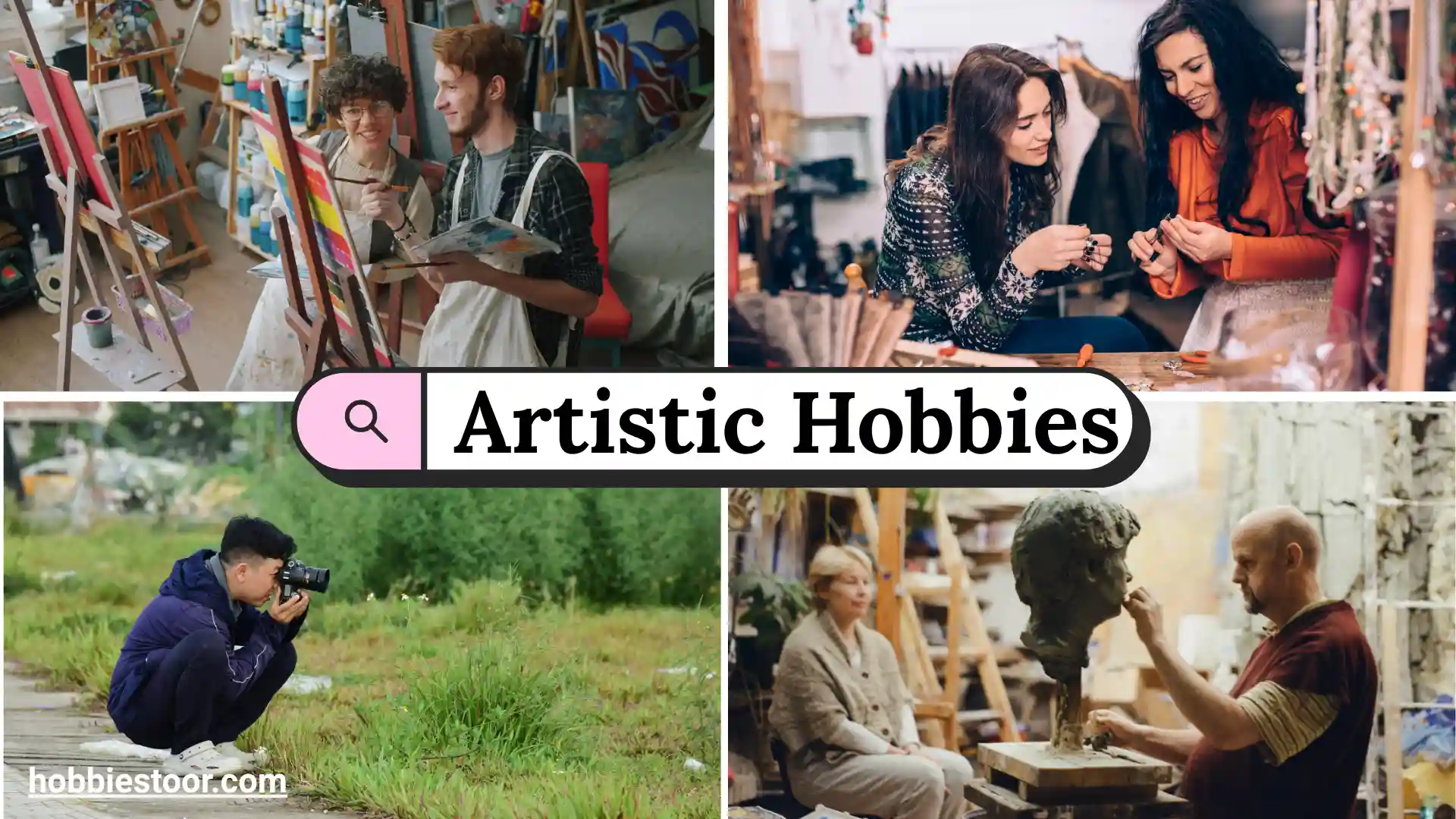
Artistic hobbies give you a simple way to spend your free time making, exploring, and expressing ideas. You do not need to be naturally talented or have years of experience to start. Drawing, painting, photography, crafting, writing, and many other creative activities can be adapted to your interests and skill level.
Some people choose artistic hobbies because they enjoy creating something with their hands, while others want a relaxing activity after work or school. Creative hobbies can also become useful skills, social activities, or even small sources of income when practiced consistently.
This guide covers different artistic hobbies for adults, men, women, and beginners, along with creative options for people who do not consider themselves artistic. It also looks at hobbies that can make money, reduce stress, and become enjoyable long-term activities.
Artistic Hobbies Examples
Artistic hobbies include many activities that involve creativity, imagination, visual expression, or making something original. They range from simple activities that require very little equipment to specialized crafts that take more practice.
Some popular artistic hobbies examples include:
- Drawing and sketching
- Painting
- Watercolor painting
- Acrylic painting
- Calligraphy
- Hand lettering
- Photography
- Digital art
- Graphic design
- Pottery
- Ceramics
- Sculpting
- Jewelry making
- Wood carving
- Sewing
- Embroidery
- Knitting
- Crochet
- Paper crafts
- Scrapbooking
- Collage making
- Candle making
- Creative writing
- Creative journaling
- Flower arranging
- Tie-dye
- Origami
The best choice depends on what you enjoy doing. If you like working with your hands, crafts or pottery may suit you. If you prefer working privately, drawing, writing, or digital art can be easier to fit into your routine.
Artistic Hobbies That Make Money

Some artistic hobbies can develop into income-producing skills. However, earning money usually requires more than being creative. You may also need to learn pricing, customer communication, product photography, marketing, and basic business management.
Potential artistic hobbies that make money include:
- Photography
- Portrait drawing
- Digital illustration
- Graphic design
- Jewelry making
- Pottery
- Custom painting
- Calligraphy
- Hand lettering
- Sewing
- Embroidery
- Crochet
- Woodworking
- Handmade cards
- Personalized gifts
- Art prints
- Creative writing
A practical approach is to begin by making a small collection of work. This lets you discover what people actually want to buy before spending heavily on materials.
For handmade products, calculate the cost of materials and your time before setting a price. For services such as photography or illustration, consider equipment, editing time, transportation, and other expenses.
Creative Hobbies for Non Creative People
You do not have to think of yourself as a creative person to enjoy a creative hobby. Creativity is not limited to people who can draw realistic portraits or paint professionally.
Start with activities that have simple instructions or repeatable techniques. Adult coloring books, paint-by-number projects, simple photography, beginner crochet patterns, origami, and decorating projects can provide structure while you learn.
If you are unsure where to begin, try hobbies that offer quick results:
- Coloring
- Collage making
- Simple photography
- Paint-by-number
- Origami
- Beginner pottery
- Decorative journaling
- Simple paper crafts
- Basic candle making
- Beginner crochet
The goal at first should be enjoyment rather than producing something perfect. As you become comfortable, you can experiment more and gradually develop your own style.
Hobbies and Crafts for Adults
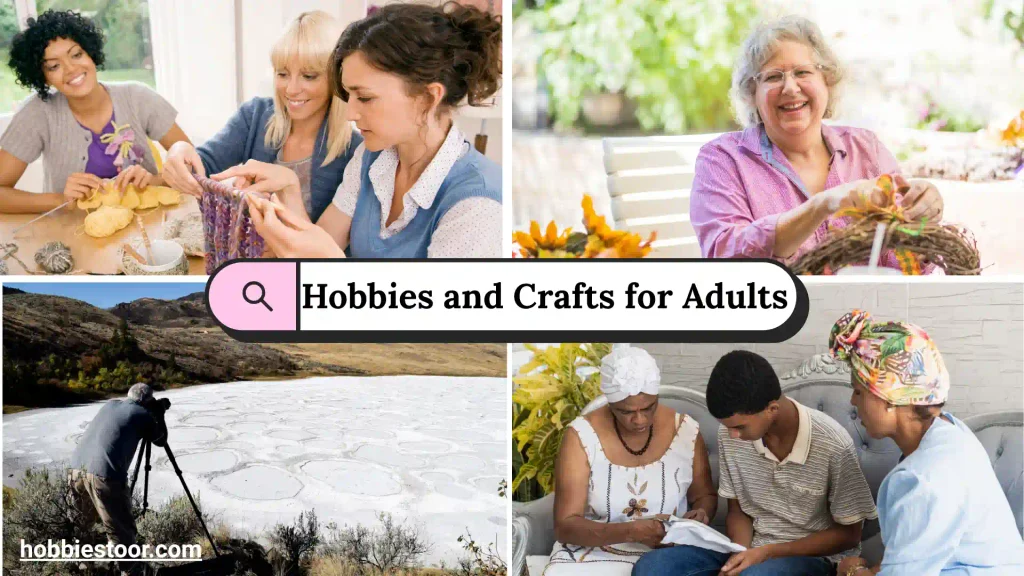
Hobbies and crafts for adults can range from traditional handmade activities to modern digital projects. Many are suitable for relaxing at home, learning a practical skill, or creating gifts.
Craft-based options include sewing, embroidery, crochet, knitting, paper crafts, woodworking, pottery, jewelry making, and decorative projects. Artistic hobbies can also include digital photography, illustration, graphic design, and creative writing.
When choosing a craft, consider four simple questions:
- How much space do I have?
- How much can I comfortably spend on supplies?
- Do I prefer working with my hands or a computer?
- Do I want quick projects or long-term projects?
Answering these questions can quickly narrow down your choices. Someone with limited space may prefer drawing or photography, while someone with a dedicated workspace may enjoy pottery, sewing, or woodworking.
Creative Hobbies for Men
Creative hobbies are not limited by gender, and men can enjoy any artistic activity that interests them. Some people simply prefer hobbies involving tools, technology, photography, materials, or practical projects.
Creative hobbies for men can include:
- Photography
- Wood carving
- Furniture making
- Drawing
- Painting
- Digital art
- Leather crafting
- Metal art
- Model building
- Pottery
- Jewelry making
- Calligraphy
- Creative writing
- Graphic design
- Film making
If you are new to artistic activities, photography and model building can be approachable choices because they allow you to focus on subjects and techniques rather than drawing ability.
For hands-on creativity, woodworking, leather crafting, pottery, and model making offer opportunities to build physical objects. Always learn the safety requirements before using tools or equipment.
Artistic Hobbies
Artistic hobbies are activities that allow you to create, design, decorate, capture, or express ideas in some form. They can be visual, physical, written, or digital.
Traditional options include drawing, painting, sculpture, pottery, and printmaking. Craft-based activities include sewing, embroidery, crochet, jewelry making, and paper crafting. Modern options include digital illustration, photography, video editing, and graphic design.
You can also combine several hobbies. For example, someone interested in photography might learn photo editing and graphic design. A person who enjoys drawing could explore digital illustration or handmade cards.
There is no requirement to choose only one. Trying different activities can help you discover which creative process you actually enjoy.
Artistic Hobbies for Adults
Artistic hobbies for adults can be especially useful when you want a personal activity outside work, family responsibilities, or daily routines. The right hobby should fit your available time and energy rather than create another source of pressure.
If you have only a few minutes, sketching, journaling, coloring, or photography can be convenient. If you have longer periods available, painting, pottery, sewing, woodworking, or detailed crafts may provide more involved projects.
Consider starting with one small project instead of purchasing a large collection of supplies. This keeps the beginning simple and gives you a chance to decide whether the hobby suits you.
What Are Some Artistic Hobbies
There are many artistic hobbies, so the easiest way to choose one is to think about the type of creativity you enjoy.
If you like visual work, consider:
- Drawing
- Painting
- Photography
- Digital illustration
- Collage
- Calligraphy
If you prefer making physical objects, try:
- Pottery
- Jewelry making
- Wood carving
- Sewing
- Crochet
- Embroidery
If words are more interesting to you, creative writing, poetry, journaling, storytelling, and scriptwriting can provide an artistic outlet.
You can also choose a hobby based on the setting. Some people enjoy creating alone at home, while others prefer workshops, art classes, photography walks, or community craft groups.
Non Artistic Hobbies

Non artistic hobbies can be a useful alternative for people who do not enjoy traditional creative activities. These hobbies may focus more on physical activity, learning, collecting, strategy, nature, technology, or practical skills.
Examples include:
- Hiking
- Running
- Cycling
- Gardening
- Cooking
- Reading
- Chess
- Puzzles
- Fishing
- Birdwatching
- Fitness training
- Language learning
- Astronomy
- Geocaching
- Collecting
- Volunteering
Choosing a non artistic hobby does not mean you have to avoid creativity completely. Many activities have creative elements even when they are not usually described as artistic.
The important point is to choose something that you genuinely enjoy and can maintain without forcing yourself.
Artistic Hobbies for Men
Artistic hobbies for men can include both traditional arts and practical creative activities. If you want something hands-on, woodworking, model building, leathercraft, pottery, and carving can be good places to start.
For people who prefer technology, photography, digital illustration, graphic design, animation, and video production provide creative challenges without requiring traditional painting skills.
Some men may also enjoy drawing, painting, writing, music-related projects, or calligraphy. Personal interest matters more than whether a hobby is commonly associated with a particular group.
A useful way to choose is to identify the kind of result you want. If you want something you can display, try painting or photography. If you want something functional, consider woodworking or leathercraft.
Artistic Hobbies List
An artistic hobbies list can help you compare possibilities before choosing your first activity.
- Drawing
- Sketching
- Painting
- Watercolor
- Acrylic painting
- Oil painting
- Digital art
- Photography
- Calligraphy
- Hand lettering
- Pottery
- Ceramics
- Sculpture
- Wood carving
- Jewelry making
- Sewing
- Embroidery
- Crochet
- Knitting
- Quilting
- Scrapbooking
- Origami
- Paper crafting
- Collage
- Creative writing
- Journaling
- Floral arranging
- Model making
- Printmaking
- Textile art
You do not need to master several hobbies. Use the list as a starting point and select one activity that matches your interests, space, budget, and available time.
Artistic Hobbies for Women
Artistic hobbies for women can include any creative activity that matches personal interests and lifestyle. There is no fixed list of hobbies that women should choose, but some activities are popular because they can be done at home or adapted to different schedules.
Options include painting, drawing, photography, embroidery, crochet, sewing, jewelry making, pottery, calligraphy, floral arranging, scrapbooking, and creative writing.
You can also explore less traditional choices such as woodworking, digital art, animation, furniture restoration, or photography. The best hobby is the one that gives you a reason to keep coming back to it.
If you are starting from scratch, choose an inexpensive beginner project and avoid buying specialized equipment until you know you enjoy the activity.
List of Artistic Hobbies
Here is another practical list of artistic hobbies organized by the type of creative work involved.
Visual Artistic Hobbies
- Drawing
- Painting
- Photography
- Digital illustration
- Collage
- Printmaking
Handmade Artistic Hobbies
- Pottery
- Ceramics
- Jewelry making
- Sewing
- Crochet
- Embroidery
- Wood carving
Writing-Based Artistic Hobbies
- Creative writing
- Poetry
- Storytelling
- Journaling
- Scriptwriting
Decorative Artistic Hobbies
- Floral arranging
- Scrapbooking
- Handmade cards
- Paper crafts
- Home decoration projects
This type of grouping makes it easier to find a hobby based on the kind of creativity you prefer.
Artistic Hobbies to Try
If you are unsure which artistic hobby to choose, give yourself permission to experiment. You do not need to decide on a lifelong hobby after your first attempt.
Try a few activities from different categories:
- Sketch a simple object with a pencil.
- Take photographs around your neighborhood.
- Try a small watercolor painting.
- Make a basic collage.
- Learn a beginner crochet pattern.
- Practice simple calligraphy.
- Make a small clay project.
- Start a creative journal.
- Try an easy origami design.
- Create a simple digital illustration.
After trying several options, pay attention to which activity makes you want to continue. That feeling can be more useful than choosing a hobby simply because it looks impressive.
Artistic Hobbies for Beginners
Beginners should generally choose hobbies with simple starting requirements. A complicated hobby can become frustrating if you need to learn many techniques before completing your first project.
Drawing, coloring, basic photography, simple crafts, beginner crochet, collage, and watercolor are accessible starting points for many people.
A good beginner strategy is:
- Start with basic supplies.
- Learn one technique at a time.
- Follow simple projects.
- Expect early mistakes.
- Practice regularly instead of trying to improve overnight.
- Keep your first projects instead of judging them too harshly.
Your first goal should be becoming comfortable with the process. Skill usually develops through repeated practice and experimentation.
Artistic Hobbies to Reduce Stress
Many people choose artistic activities because they provide a break from demanding routines. A hobby can give your attention something different to focus on, especially when the activity is enjoyable and does not feel like an obligation.
Drawing, coloring, painting, knitting, crochet, pottery, photography, journaling, and simple crafts can all provide opportunities to slow down and concentrate on a creative task.
For a low-pressure experience, avoid turning the hobby into a performance goal. You do not need to finish a certain number of paintings or produce perfect work. Choose a comfortable pace and focus on the activity itself.
If your main goal is relaxation, repetitive crafts such as crochet, knitting, coloring, or simple sketching may appeal to you because they can become familiar routines.
Matt Has Had Little Interest in Artistic Hobbies
If Matt has had little interest in artistic hobbies, there is no reason to assume that traditional art is the only option. Some people do not enjoy drawing or painting but become interested when creativity is connected to something they already like.
For example, Matt might enjoy photography if he likes travel or technology. Model building could work for someone interested in collecting or detailed projects. Woodworking may appeal to someone who prefers practical results.
Other possibilities include:
- Photography
- Model making
- Woodworking
- Digital design
- Creative writing
- Cooking as a creative activity
- Customizing objects
- Leathercraft
- Video editing
- Gardening and landscape design
The key is to connect creativity with an existing interest. An activity may feel more appealing when the creative part serves a purpose that already matters to the person.
Artistic Hobbies to Take Up
Taking up an artistic hobby becomes easier when you make the first step small. Instead of planning a large project, choose something you can complete within a short session.
For example, you might sketch one object, photograph five interesting subjects, decorate a small item, or write a short story. Completing a small project gives you a clearer idea of whether you enjoy the process.
It also helps to create a regular routine. You could spend a short period on your hobby several evenings a week or reserve part of a weekend for a larger project.
Choose consistency over perfection. A hobby becomes easier to maintain when it fits naturally into your life.
Artistic Hobbies for Relaxation
Relaxing artistic hobbies usually have a low-pressure learning curve and allow you to work at your own pace. The activity should feel enjoyable rather than like another task that has to be completed perfectly.
Good options include:
- Coloring
- Sketching
- Watercolor
- Crochet
- Knitting
- Journaling
- Photography
- Simple pottery
- Scrapbooking
- Origami
You can make the experience more relaxing by preparing a comfortable workspace and keeping your materials organized. Put your phone aside if distractions make it difficult to concentrate.
The best relaxation hobby is personal. One person may find repetitive stitching calming, while another may prefer taking photographs outdoors.
Artistic Hobbies Reddit
People often use Reddit and other online communities to discuss artistic hobbies, share projects, ask beginner questions, and get ideas for new activities. These communities can be useful for discovering hobbies that you may not have considered.
When browsing discussions about artistic hobbies, look for practical information such as beginner supply recommendations, common mistakes, project ideas, and explanations of techniques.
It is also useful to remember that online opinions are personal experiences rather than universal rules. A material or technique that works well for one person may not suit your budget, workspace, or learning style.
If you participate in an online hobby community, sharing your progress and asking specific questions can make it easier to receive useful feedback.
Artistic Hobbies for Stress Relief
Artistic hobbies for stress relief can give you a structured activity to focus on when you want a break from routine tasks. The most suitable choice is usually one that you find enjoyable and easy enough to continue without frustration.
Coloring and simple sketching require little preparation. Photography can encourage you to go outside and notice details around you. Crochet, knitting, and embroidery can provide repetitive hands-on activity. Journaling can give you a private space for writing and reflection.
Keep the hobby flexible. If you are tired, choose a small project rather than forcing yourself to complete a complicated one. The purpose is to create a pleasant activity, not another source of pressure.
Craft Artistic Hobbies
Craft artistic hobbies combine creativity with the process of making physical objects. They can be particularly appealing if you enjoy seeing a finished item that you can use, display, or give to someone else.
Popular craft artistic hobbies include:
- Pottery
- Jewelry making
- Sewing
- Embroidery
- Crochet
- Knitting
- Wood carving
- Leathercraft
- Paper crafts
- Scrapbooking
- Handmade cards
- Textile projects
Before choosing a craft, consider storage and workspace requirements. Some hobbies need only a small box of supplies, while others require dedicated tools and surfaces.
Start with a simple project and learn the basic techniques before buying large quantities of materials.
Artistic Hobbies to Pick Up
If you want an artistic hobby to pick up quickly, look for activities that require minimal preparation. Drawing, coloring, photography, journaling, collage, and simple paper crafts can be started without a major investment.
You can also choose based on your preferred environment.
- For home: drawing, painting, crochet, journaling, and crafts
- For outdoors: photography, sketching, and nature-inspired art
- For computer users: digital art, graphic design, and photo editing
- For hands-on makers: pottery, woodworking, jewelry, and sewing
- For social learners: art classes, craft groups, and workshops
Trying something for a few sessions is often enough to decide whether you want to continue. You can always switch to another hobby if the first one does not feel right.
Photography Artistic Hobbies
Photography is an artistic hobby because it involves choices about composition, lighting, timing, perspective, color, and subject matter. You do not necessarily need an expensive camera to begin; a phone can provide enough control for learning basic photographic ideas.
Beginners can practice by choosing one subject and photographing it from different angles. Try taking pictures of architecture, food, nature, objects, pets, people with permission, or everyday scenes.
Useful skills to learn include:
- Composition
- Framing
- Lighting
- Focus
- Perspective
- Timing
- Basic photo editing
Photography can also connect with other hobbies. A traveler can document trips, a gardener can photograph plants, and a collector can create organized images of a collection.
The most valuable early practice is learning to notice what makes an image interesting. Equipment can be upgraded later as your skills and interests develop.
FAQ
What Is a Good Artistic Hobby for a Complete Beginner?
Drawing, coloring, photography, simple watercolor, collage, and beginner crafts are approachable choices. Pick one that requires little equipment and allows you to practice without pressure.
Can Artistic Hobbies Become a Source of Income?
Yes, some artistic hobbies can develop into paid services or products. Photography, digital art, handmade crafts, jewelry, calligraphy, and custom artwork are examples, although income depends on skill, demand, pricing, and business effort.
What Artistic Hobby Is Best for Relaxation?
There is no single best option for everyone. Coloring, sketching, knitting, crochet, journaling, photography, and simple crafts may be relaxing when you enjoy the activity and keep it low pressure.
Can Someone With No Artistic Talent Learn an Artistic Hobby?
Yes. Artistic skills can be developed through practice, instruction, and experimentation. You do not need to produce professional-looking work when you begin.
How Do I Choose the Right Artistic Hobby?
Consider what you enjoy, how much time you have, your budget, available workspace, and whether you prefer digital, visual, written, or hands-on activities. Trying several small projects can help you decide.
Conclusion
Artistic hobbies come in many forms, from drawing and painting to photography, crafts, writing, pottery, and digital creativity. You do not need to be naturally artistic to enjoy them, and beginners can start with simple projects and basic supplies.
The right hobby should fit your interests, schedule, budget, and preferred way of creating. Some activities are ideal for relaxation, while others can become useful skills or potential sources of income with enough practice and dedication.
Start small, experiment with different activities, and give yourself time to improve. A hobby does not have to produce perfect results to be valuable; it simply needs to be something you enjoy returning to.